


You’ve probably heard the buzz around hydrogen water, the latest health trend showing up in wellness circles, fitness routines, and even hospital research labs. But let’s cut through the marketing noise for a second: What exactly is hydrogen water? And how is it any different from the good ol’ H₂O that’s been around since, well, the beginning of time?
If you’re asking this question, you’re not alone—and you’re in the right place because at Select Lifestyle Solutions we aim to give you Smarter Choices for Better Living
So let’s dive into the science, the hype, and what actually sets hydrogen water apart from regular drinking water.
Table of Contents
First Things First: What Is Hydrogen Water?
At its core, hydrogen water is water that has extra hydrogen gas (H₂) dissolved into it. This isn’t the same as turning water into a different compound. The water molecule itself remains unchanged (H₂O), but the idea is to infuse it with free-floating hydrogen gas—the kind that normally exists as a colorless, odorless molecule made up of two hydrogen atoms.
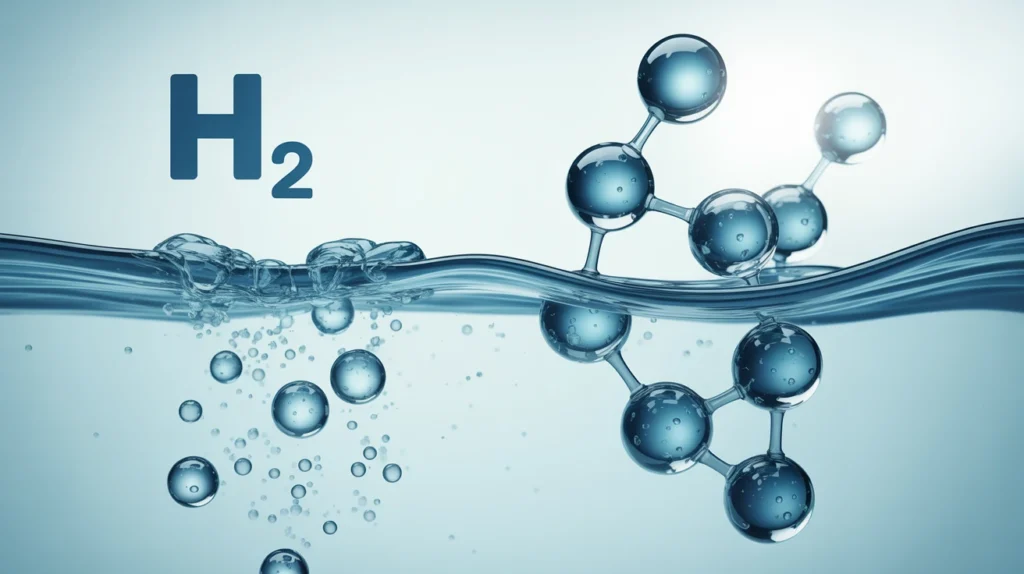
This added hydrogen is what makes hydrogen water special. And it’s what supposedly gives it its health-boosting benefits.
Isn’t Hydrogen Already in Water?
Yes—and that’s one of the most common questions people ask when they first hear about hydrogen water.
Water already contains hydrogen, bound with oxygen in the form of H₂O. But here’s the catch: the hydrogen in H₂O is chemically bonded and not free to act independently in your body. When you drink regular water, that hydrogen doesn’t function as a standalone molecule.
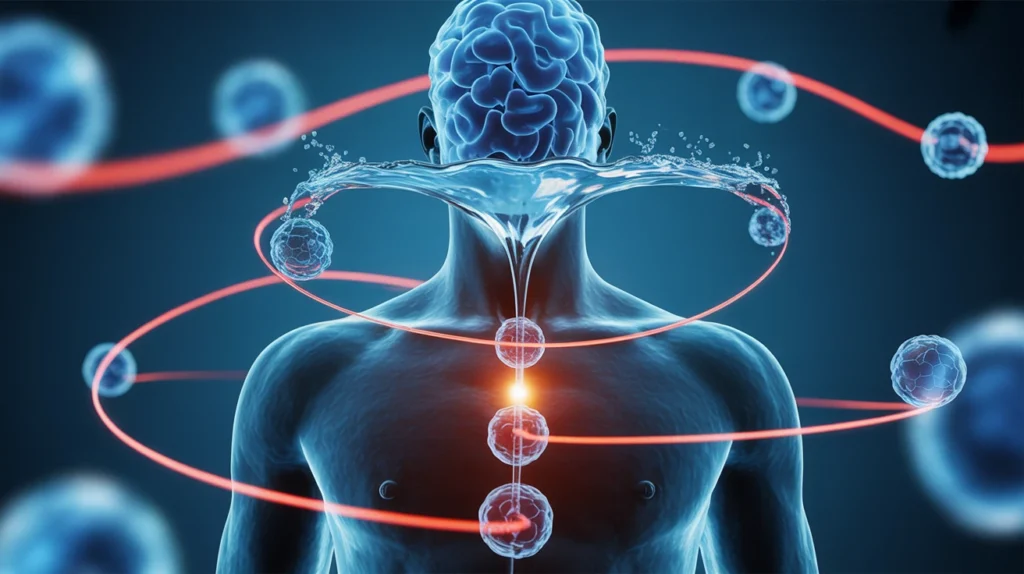
Hydrogen water adds molecular hydrogen (H₂ gas) to the mix—hydrogen that’s not bound to oxygen. This molecular hydrogen is believed to act as a powerful antioxidant and may be able to reduce oxidative stress at a cellular level.
How Is Hydrogen Water Made?
There are three main methods used to infuse hydrogen into water:
- Magnesium Stick Method
Some companies use magnesium tablets or sticks that react with water to release hydrogen gas. For example: Mg + 2H₂O → H₂ + Mg(OH)₂ - Electrolysis
This is the most common method. Machines called hydrogen water generators use an electric current to split water molecules and infuse the H₂ gas back into the water. - Pressurized Hydrogen Gas
Commercially bottled hydrogen water is sometimes made by simply pressurizing pure H₂ gas into purified water and sealing it to prevent the gas from escaping.
Hydrogen is the smallest molecule in the universe, and it escapes easily, which is why packaging and storage matter. That’s also why freshly generated hydrogen water is often considered most effective.
So… What Does It Do?
This is where things get interesting—and a bit controversial.
Hydrogen gas has been studied for its potential health benefits, particularly its antioxidant and anti-inflammatory effects. Some small-scale studies and animal research suggest that hydrogen water may help:
- Reduce oxidative stress
- Improve recovery after exercise
- Boost energy levels
- Support cognitive function
- Alleviate symptoms of metabolic syndrome
- Protect organs from damage caused by inflammation

One 2010 study published in the journal Medical Gas Research found that people with metabolic syndrome who drank hydrogen-rich water for 10 weeks showed improvements in cholesterol levels and antioxidant activity.
Another study involving athletes showed reduced blood lactate levels and lower muscle fatigue when drinking hydrogen water.
BUT—and this is important— the research is still in its early stages. Most human trials have been small, and larger clinical studies are needed to confirm these effects. So, while promising, hydrogen water is not a miracle elixir.
How Is It Different from Regular Water?
Let’s break it down clearly.
| Feature | Regular Water | Hydrogen Water |
|---|---|---|
| Composition | H₂O | H₂O + dissolved H₂ gas |
| Antioxidant Properties | None specific | Believed to act as a selective antioxidant |
| Taste | Neutral | Slightly different but usually neutral |
| Storage Needs | Basic | Requires sealed, non-permeable packaging |
| Health Claims | Hydration | Hydration + potential cellular benefits |
So while regular water hydrates you, hydrogen water aims to do a little more—delivering tiny hydrogen molecules that may interact with free radicals and potentially support cellular health.
Is It Safe?
Hydrogen water is generally considered safe to drink. Hydrogen gas is already used in deep-sea diving to prevent decompression sickness and has been studied in medical environments without major issues.
No known serious side effects have been reported from consuming hydrogen water. However, it’s not FDA-regulated as a medication, so it’s important to view it as a supplementary health product rather than a cure or treatment.
Always consult your healthcare provider if you have a medical condition or are taking medication.
How Much Should You Drink?
There’s no universally agreed-upon “dose” of hydrogen water. Many products suggest drinking 1–2 servings (typically 300–500 ml each) per day.
Some athletes or biohackers may consume more, but again—listen to your body and consult a professional.
Does It Replace Regular Water?
No. Hydrogen water should be seen as a complement to your regular hydration habits, not a replacement.
You still need to drink adequate amounts of regular water to stay hydrated, support digestion, regulate temperature, and keep all your bodily systems functioning.
Think of hydrogen water as an upgrade option, not a different product entirely.
Final Thoughts: Is It Worth the Hype?
Hydrogen water is one of those innovations that straddles the line between emerging science and wellness trend. It’s backed by promising preliminary research, but not yet enough large-scale evidence to make sweeping claims.
That said, if you’re looking for a gentle, side-effect-free way to potentially support your health, it might be worth trying. Especially if:
- You’re into fitness and recovery.
- You’re interested in reducing inflammation.
- You’re exploring additional ways to support your overall wellness.
Just make sure to purchase from reputable brands, and remember—no drink replaces a good night’s sleep, healthy food, and a lifestyle that honors your body.
A Final Recap:
- Hydrogen water = regular water + dissolved molecular hydrogen gas (H₂).
- It’s believed to offer antioxidant and anti-inflammatory benefits.
- It’s made via electrolysis, magnesium reactions, or gas infusion.
- Safe for most people but not a miracle cure.
- Best seen as a hydration upgrade, not a necessity.
- Helps you burn stubborn fat without dieting.
Thank you for reading, Amanda at Select Lifestyle Solutions where we help you make Smarter Choices for Better Living.

Join our mailing list by clicking on the banner above to keep abreast of all things Health & Wellness and Also get instant access to our FREE 6-Part Healthy Living Video Series—Packed with simple tips to Help You Feel Better and Live More Energized Every Day.
This content is for informational purposes only and is not intended to be a substitute for professional medical advice, diagnosis, or treatment. Always seek the advice of your dentist, physician, or other qualified health provider with any questions you may have regarding a medical or dental condition.
This post may contain affiliate links. If you click and buy, I may earn a small commission—at no extra cost to you